Hypermobility Physiotherapy
We support hypermobile bodies; those with Hypermobility Spectrum Disorder (HSD) or Hypermobile Ehlers Danlos Syndrome (hEDS), or suspected. As well as the common co-occurring conditions: POTS, MCAS, Dysautonomia, fatigue/ME/CFS, joint instability.
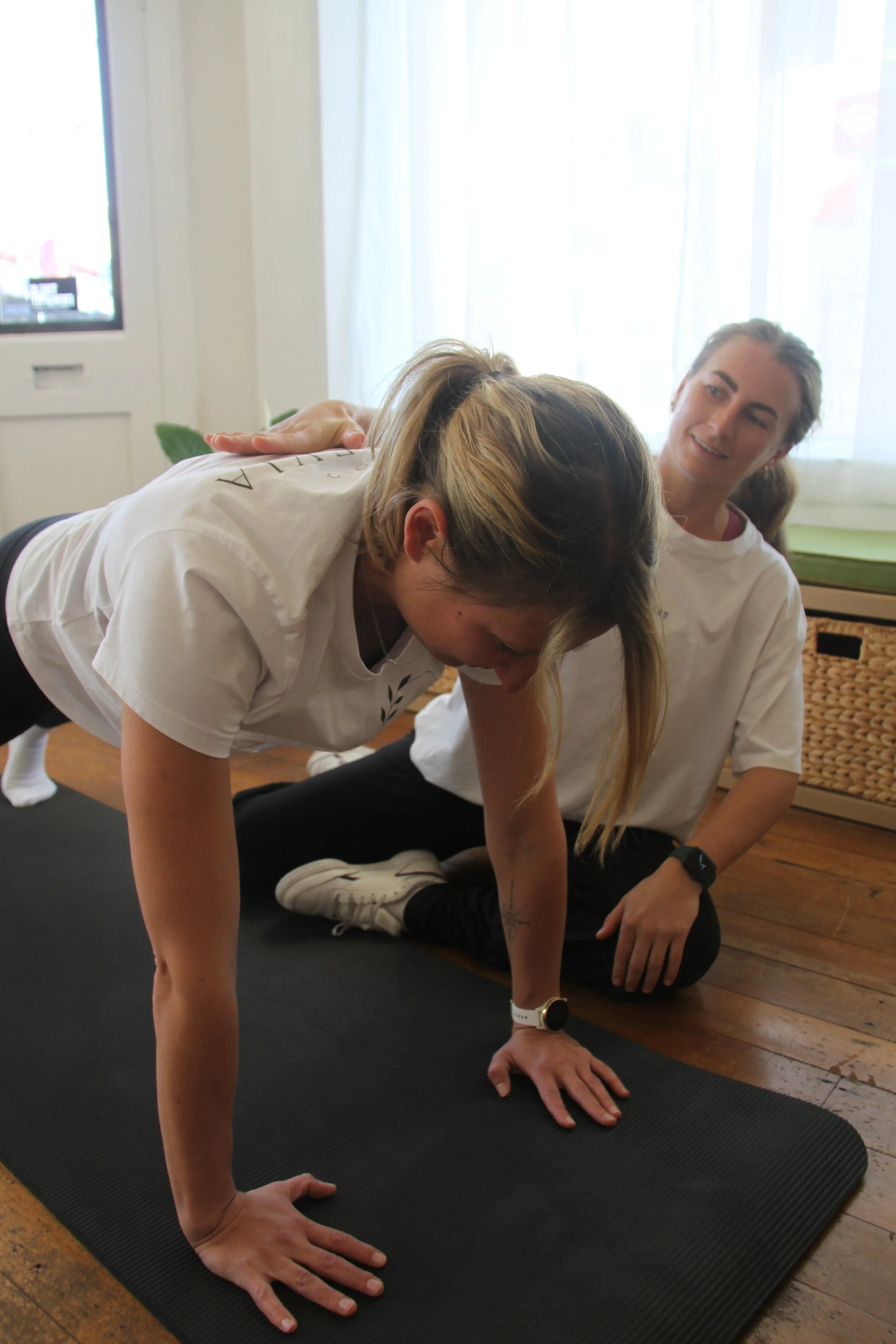
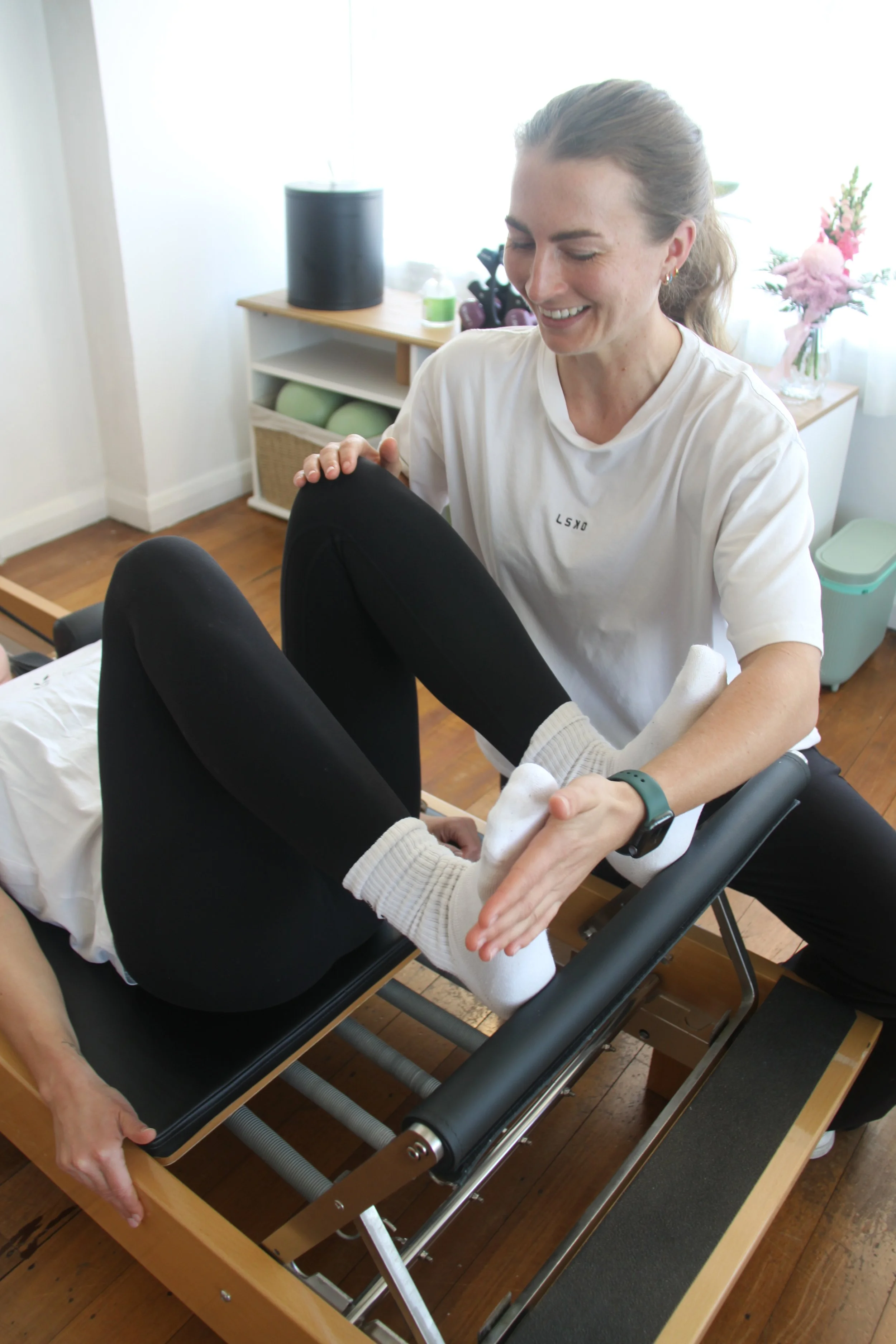
How we can help
We understand that hypermobile bodies are working harder than stiff bodies just to stay upright, and the impact of this on your fatigue. We know that GI issues, headaches, heat intolerance and allergies are linked to your hypermobility and have a serious impact on how you experience the world.
We also know that its taken a long time to work out that these things can all be related. Roughly, 10-12 years to diagnosis in Australia.
Trudgian, R., & Flood, T. (2024). An exploration of the journey to diagnosis of Ehlers-Danlos Syndrome (EDS) for women living in Australia. PloS one, 19(7), e0307574. https://doi.org/10.1371/journal.pone.0307574
People-First Approach
We understand the condition and the body, but we know the best approach is tailored to the individual in front of us.

Movement to support
We are sure you’ve tried movement before, sometimes successful, other times not. We want to move in a way that supports your joints and teaches your body where it is.
Connected care
Because this impacts a lot of areas in your life we want to make sure you get the support you need. We happily work with your specialists, OTs, psychs, or can point you in the direction of some good ones.